King Ocean
Mondaysfrom Port Everglades
Port EvergladesFort Lauderdale, FL
Puerto CortésHonduras
3–4 days at sea


Four sailings a week. Puerto Cortés in three to four days.
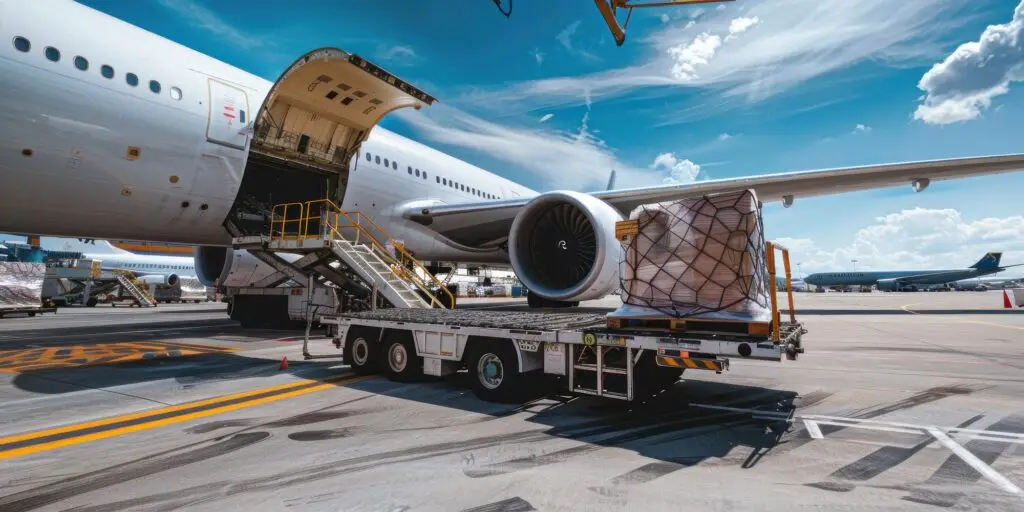
Seaboard Marine sails from PortMiami on Sunday, Monday and Thursday and reaches Puerto Cortés in three days. King Ocean sails Monday from Port Everglades, three to four days away. By air, Amerijet, UPS and Avianca each fly four times a week and land the next day.
We respond within 4 business hours (Monday–Friday, 8:30 AM – 5:00 PM ET).

Inland
Puerto Cortés handles most of Honduras’s container traffic. Our agent clears the cargo there and delivers it to the door.
The industrial center, down the highway from the port.
On the highway between the port and San Pedro Sula.
Just south and east of San Pedro Sula.
East along the north coast from Puerto Cortés.
The capital, by road from the port, or by air from Miami.
Anywhere else in Honduras, and the neighboring countries, on request. Give us the address with the quote so the inland leg is priced in.
The week
Cargo and shipping instructions on our Medley dock by Wednesday 12:00 PM make the Sunday and Monday ships that follow. Three to four days after sailing, the container is in Puerto Cortés. Miss Wednesday and Seaboard’s Thursday ship still takes cargo that reaches us by Monday 12:00 PM.
The routes
Wednesday’s cargo makes Seaboard on Sunday or Monday, or King Ocean on Monday. Monday’s cargo makes Seaboard on Thursday. Amerijet, UPS and Avianca each fly four times a week from Miami International.
from Port Everglades
Port EvergladesFort Lauderdale, FL
Puerto CortésHonduras
3–4 days at sea
from PortMiami
PortMiamiMiami, FL
Puerto CortésHonduras
3 days at sea
Amerijet, UPS and Avianca
MiamiBuilt up at our dock
San Pedro Sulaor Tegucigalpa
Lands the next day
Transit times are what we book to, not a guarantee. Send the cargo details and the date it needs to land, and we’ll quote the routing that fits.
Ocean and air

Sun, Mon, Thu
4 a week each
What moves on this lane
Some of it is dangerous goods. Electronics with lithium batteries, air-conditioning parts charged with refrigerant, airbag inflators, shock absorbers and pressurized cylinders all count. We classify, document and pack them before they leave Miami, so the paperwork doesn’t hold up the cargo at the port. See hazmat compatibility.
Both ends
Our agent in Honduras files the import entry and handles the delivery.
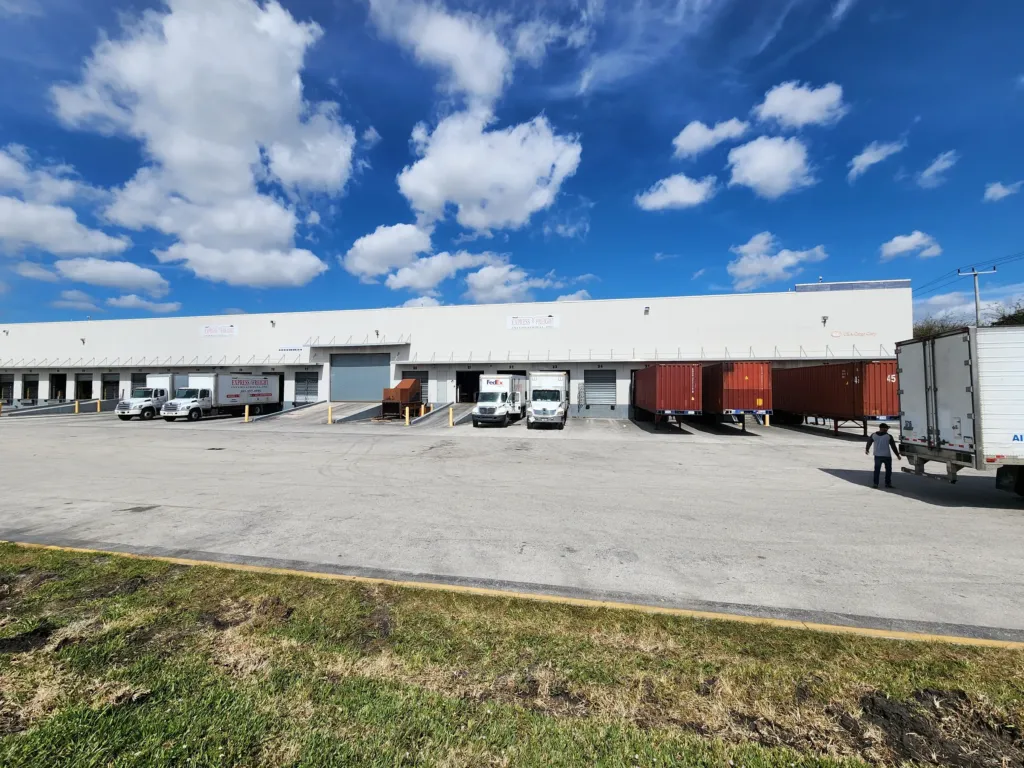
Miami · EFI, since 1992
Honduras · our agent
You call our Medley ops desk for both ends.
Paperwork
Honduras side
Commercial invoiceSeller and buyer, place and date, a full description, quantities, unit and total prices, and the sale terms. If it isn’t in Spanish, attach a Spanish translation. It doesn’t need a consulate’s stamp.
Packing listIt should match the invoice.
Bill of lading or air waybillDepending on how it moves.
CAFTA-DR certification of originWhen your consignee wants the duty-free rate. Check it against the invoice before it ships.
Permits for regulated goodsFrom the Honduran agency that covers the product. See the table below.
Your consignee imports under its RTN, the Honduran taxpayer number.
U.S. side
Most commercial shipments over $2,500 per Schedule B number need Electronic Export Information filed through AES. We file it as your authorized agent, at least 24 hours before the container is loaded for ocean and 2 hours before departure for air.
We handle thisThe agreement has covered U.S.–Honduras trade since April 1, 2006. U.S.-origin goods that meet its rules of origin can enter duty-free. The claim is usually backed by a certification from the importer, exporter or producer. There’s no set form, but it has to carry the data the agreement lists, and imports with a customs value of US$1,500 or less don’t need one.
Optional, usually worth it| If you’re shipping | It goes through |
|---|---|
| Processed food and drinks, medicines, cosmetics, medical devices and hygiene products | ARSA, the Sanitary Regulation Agency, which issues the sanitary registration. |
| Plants, seeds, fertilizers, agrochemicals, animals and animal products | SENASA, the agricultural health service under the Ministry of Agriculture. Plant and farm-input permits are issued per shipment. |
| Radio and telecom equipment | CONATEL, which issues the homologation certificate. |
| Refrigerant gases | UTOH, Honduras’s ozone office. |
| Firearms, ammunition and explosives | The Ministry of National Defense. |
Sources: U.S. International Trade Administration, Honduras Country Commercial Guide, published January 2024; WTO import licensing notification G/LIC/N/3/HND/17, April 2026; CONATEL resolution NR006/23; Aduanas Honduras disposition DNSOA-SVA-022-2023 and RECAUCA art. 323 (invoices).
Check 1
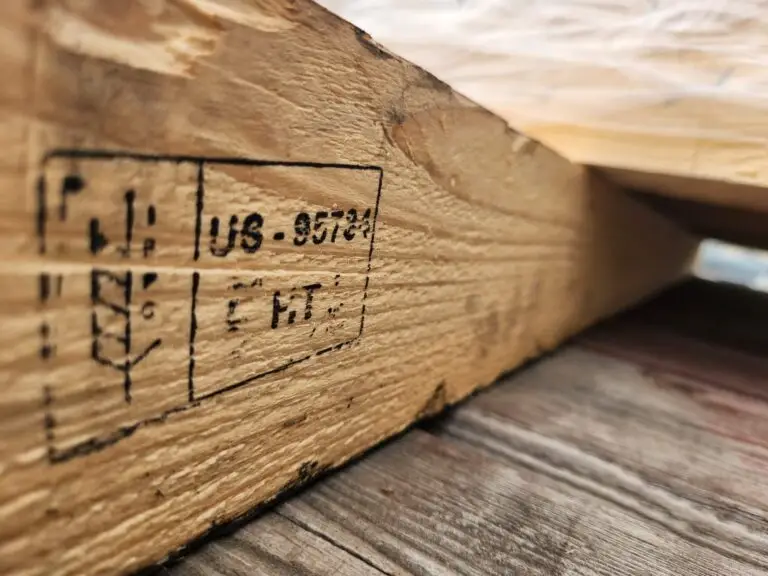
SENASA’s current rule, Acuerdo 001-2025, requires the ISPM 15 treatment mark on every solid-wood pallet, crate and piece of dunnage. Plywood and particleboard are exempt. Unmarked wood is treated, replaced or sent back, and the importer pays for it.
A USDA report found that most of the 445 seizures of U.S. farm shipments in Honduras in 2020 came down to a missing or unreadable stamp on the pallets. In 2021, 95% of seizures for ISPM 15 violations involved U.S. shipments.
Check 2
A certification with a missing field, or one that doesn’t match the invoice, can cost your consignee the duty-free rate.
Check the certification against the commercial invoice, line by line, before the cargo leaves Miami.
This section is general information, not customs or legal advice. For your specific shipment, talk to a licensed customs broker. New to exporting? Start with our import and export guide.
Sources: SENASA Acuerdo C.D. 001-2025, La Gaceta No. 36,867, June 18, 2025; USDA Foreign Agricultural Service, FAIRS Country Report HO2024-0007, October 2024; USTR, CAFTA-DR Chapter 4.
The licenses
| Credential | Issued by | What it means for your cargo |
|---|---|---|
| Licensed NVOCC, OTI No. 018467 | Federal Maritime Commission | Your cargo moves on our license, our bond and our bill of lading. |
| CTPAT partner | U.S. Customs and Border Protection | Container inspection and high-security seals on the containers we stuff. |
| Indirect Air Carrier | TSA | We tender air cargo to the airline under our own certification. |
| Bonded container freight station | U.S. Customs | Cargo can be received and held under bond in our Medley facility. |
| Registered food facility | FDA | Our warehouse is registered with the FDA as a food facility. |
Questions
By sea, to Puerto Cortés: three days on Seaboard Marine from PortMiami, three to four on King Ocean from Port Everglades. By air, the next day. Add pickup to our Miami dock before the cutoff, and clearance and delivery on the Honduras end.
Seaboard Marine sails Sunday, Monday and Thursday, and King Ocean sails Monday. Cargo and shipping instructions on our Medley dock by Wednesday 12:00 PM make the Sunday and Monday ships; by Monday 12:00 PM, Seaboard’s Thursday ship. Hazmat and bonded cargo close a business day earlier: Tuesday 12:00 PM for Sunday and Monday, Friday 12:00 PM for Thursday.
Book by 12:00 PM and have the cargo on our dock by 2:00 PM with documents complete. Hazmat closes 24 hours earlier. Each airline flies four times a week, landing the next day.
In San Pedro Sula or Tegucigalpa. Amerijet, UPS and Avianca each fly from Miami International four times a week. Tell us the delivery address and we’ll book the right one.
By sea, Seaboard Marine out of PortMiami on Sundays, Mondays and Thursdays, and King Ocean out of Port Everglades on Mondays. By air, Amerijet, UPS and Avianca.
About 55 km (35 miles) by highway from Puerto Cortés. Tegucigalpa is about 300 km (190 miles) by road. Our agent delivers from the port to the door.
Our agent in Honduras files the import entry and handles the delivery. On the U.S. side, we file the export (EEI through AES) as your authorized agent.
Yes. La Ceiba, Choloma, El Progreso, Villanueva and the rest of the country by road, and the neighboring countries on request. Give us the address when you ask for the quote so the inland leg is priced in.
Both. Smaller shipments consolidate with other Honduras cargo in our Medley warehouse and sail every Monday. Full containers run in 20′ and 40′. Send dimensions and weight and we’ll price it both ways.
Yes, by sea and by air. Lithium batteries, refrigerants, airbag inflators and pressurized cylinders all move on this lane. We need the Dangerous Goods Declaration and the MSDS before the truck arrives, and hazmat closes a business day before general cargo.
Often. CAFTA-DR has been in force between the U.S. and Honduras since April 1, 2006, and U.S.-origin goods that meet its rules of origin can enter duty-free. Your consignee usually makes the claim with a certification, often from you as the exporter. This is general information, not customs advice. Confirm your goods with a licensed customs broker.
Not if they carry the ISPM 15 mark. SENASA requires the mark on all solid-wood packaging, and unmarked pallets, crates and dunnage are treated, replaced or sent back at the importer’s cost.
Some vehicles. Honduras bars vehicles more than 10 years old (classics excepted), buses more than 13 years old, and refurbished or right-hand-drive vehicles. Regulated goods need a permit from the agency that covers them. And cold cargo can’t come through our Miami warehouse, so it loads into a reefer at your facility.
Tell us if you want sea, air or both priced side by side. The pickup address, or whether you’ll deliver to our dock. The destination city in Honduras. Piece count, dimensions and weight. The commodity and its value. Any dangerous goods class. And the date it needs to land. A rate comes back within 4 business hours.
Four sailings a week
Ocean closes Wednesday at 12:00 PM for the Sunday and Monday ships, and Monday at 12:00 PM for Thursday’s. Air closes the day it flies: book by 12:00 PM and have it on our dock by 2:00 PM.
We respond within 4 business hours (Monday–Friday, 8:30 AM – 5:00 PM ET).
Honduras is one of 35 destinations we ship to from Miami. See all shipping lanes
Other lane guides: Guatemala, Nicaragua, Costa Rica, Panama, Brazil, Peru, Chile. Related: sailing schedules, air freight, trucking to our dock.