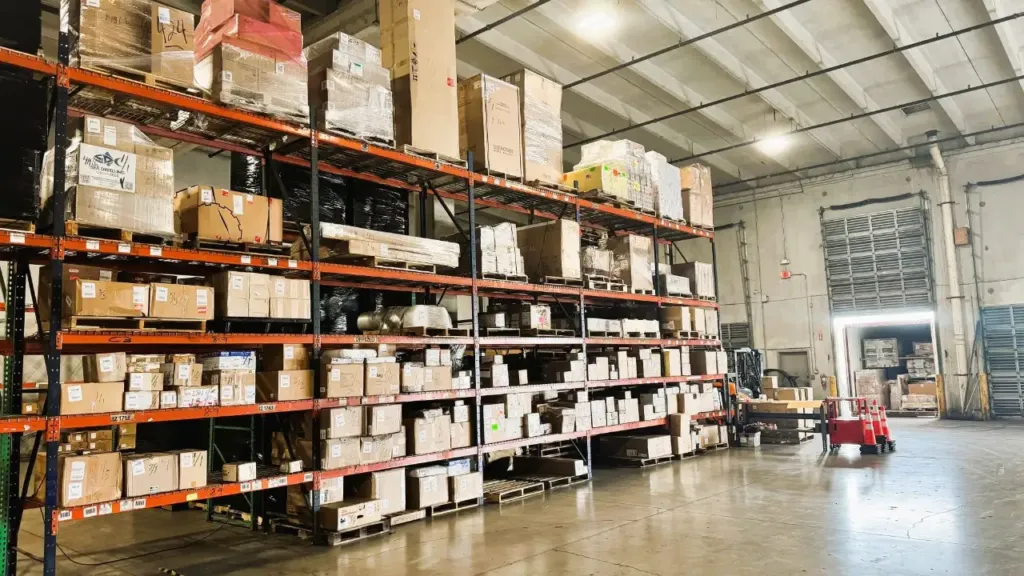
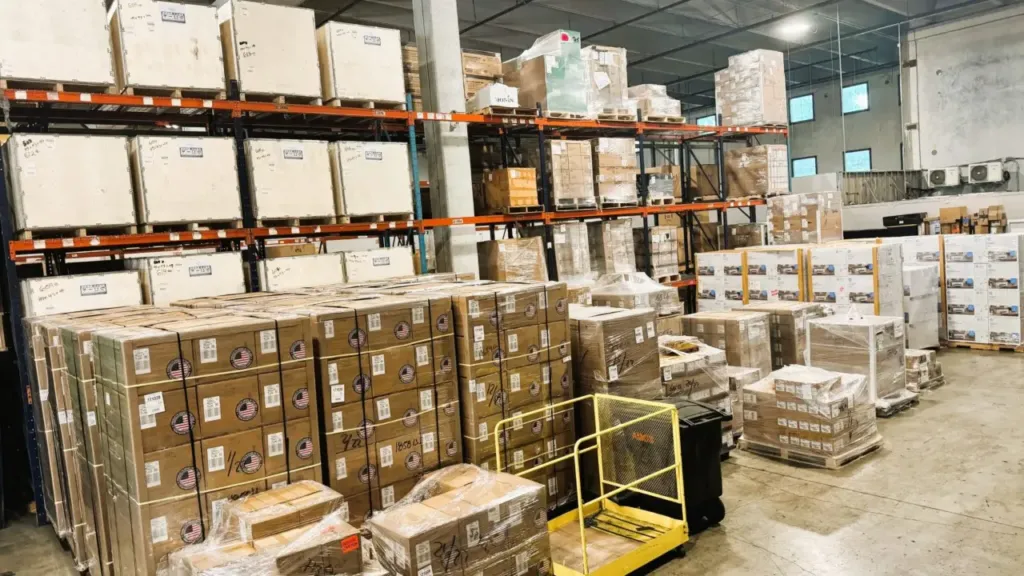
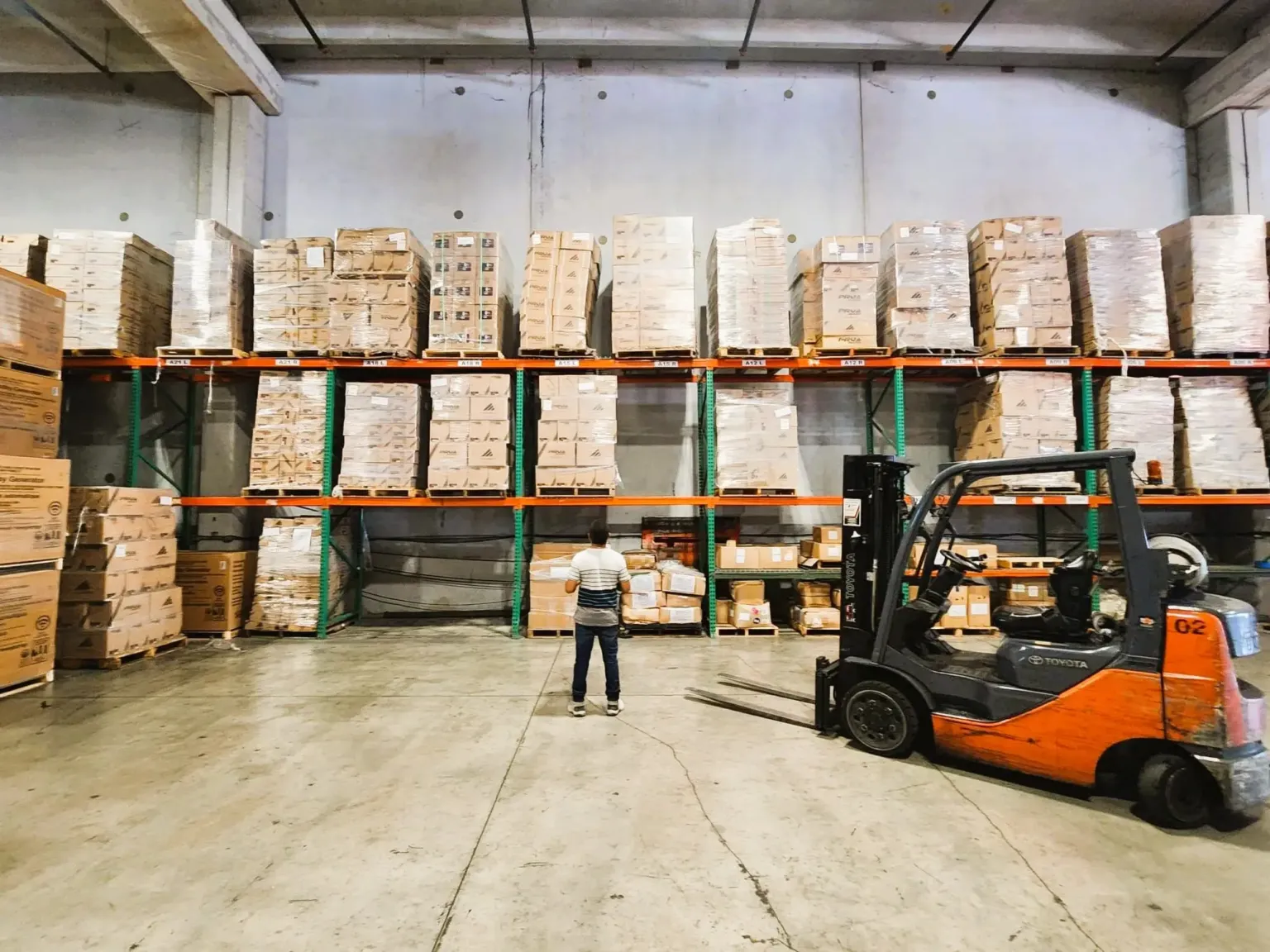
A worker and a forklift between loaded pallet racks on the EFI warehouse floor in Medley, Miami

Bonded CFS · Medley, Miami · 7950 NW 77th St

Fifty thousand square feet between a truck and a vessel.

A bonded container freight station five minutes off the Dolphin. Freight arrives on eighteen doors, gets counted, stored, picked and packed, consolidated and crated here, and leaves in a box we loaded ourselves.

Receiving Monday–Friday, 8:30 AM – 5:00 PM ET · by appointment

50,000

Square feet
under one roof

18

Dock doors
worked in parallel

2

Ramps, one
double-wide

Ground

Level receiving for
what won't come off a dock

1992

Same family
every year since

Why this floor

Storage is the cheapest thing that happens in this building.

Anyone with a roof can hold a pallet. What costs you money is the handling on either side of the holding: the count that never happened at the door, the carton that was fine in a dry van and wrong in an ocean container, the crate that got subcontracted and added a week. This floor is laid out around the order an export actually follows, so cargo gets touched once instead of three times.

Counted at the door

Short counts and damage get found in front of the driver, not three days later with the container already sealed.

Built, not just held

Consolidation lanes run by destination. Your freight sits where the box it's going into is being built.

Crated on site

Open and closed crates on our own bench, to ISPM 15. No subcontractor, no extra week.

The sequence

Follow a pallet through the building.

Six stations between the dock apron and a sealed container. Every one of them happens under this roof, and every one of them is somewhere a shipment usually goes wrong.

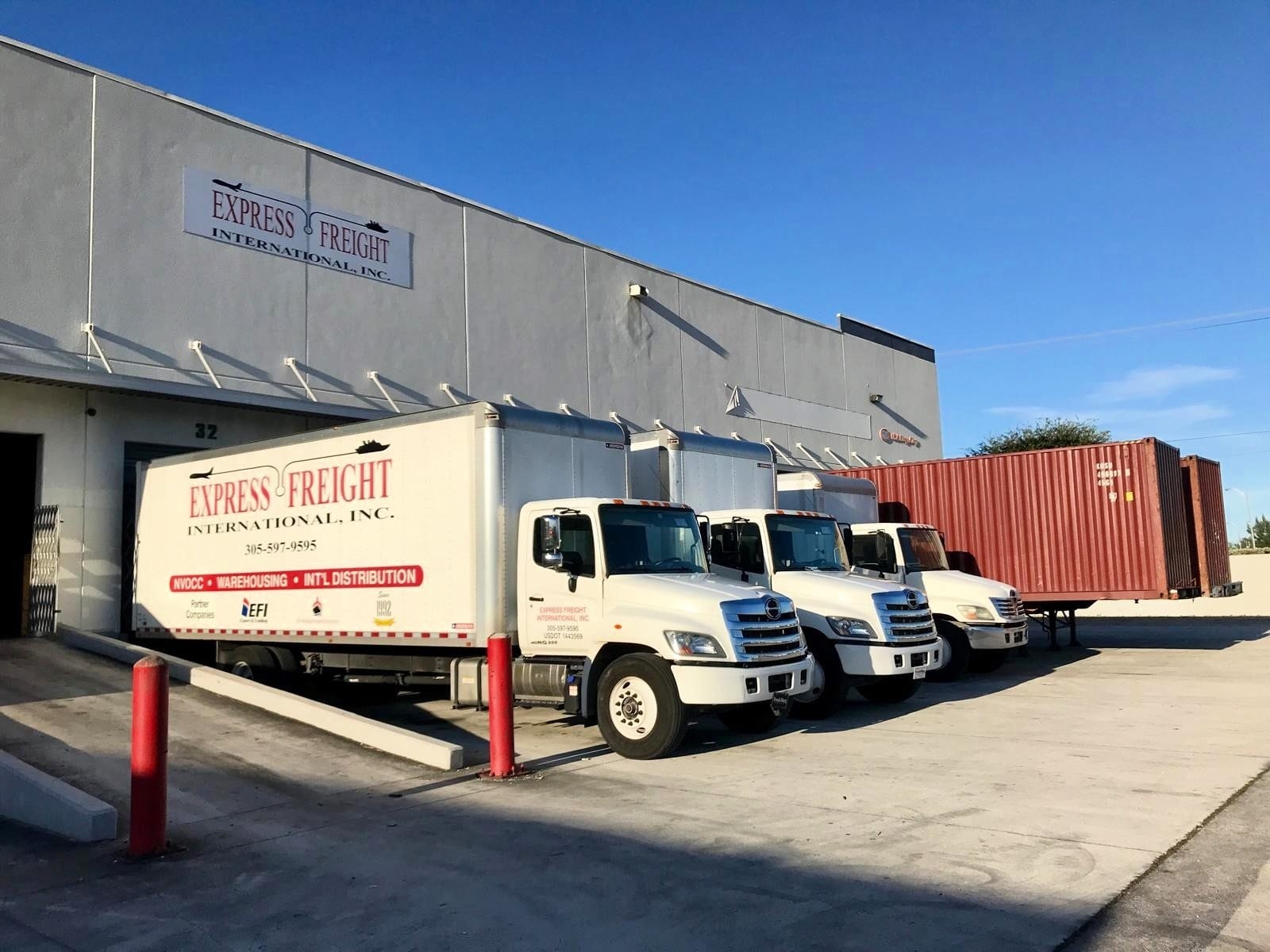
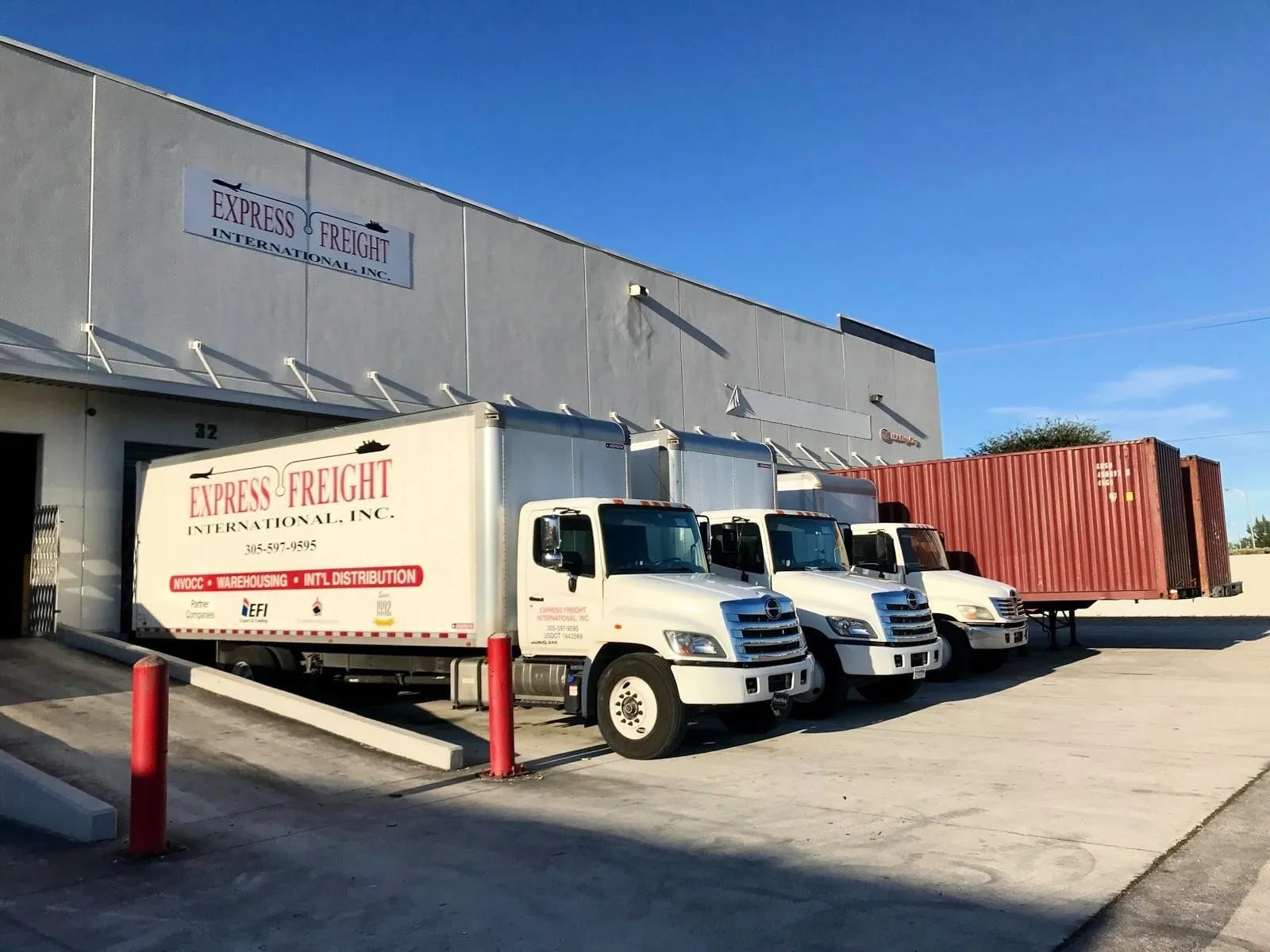
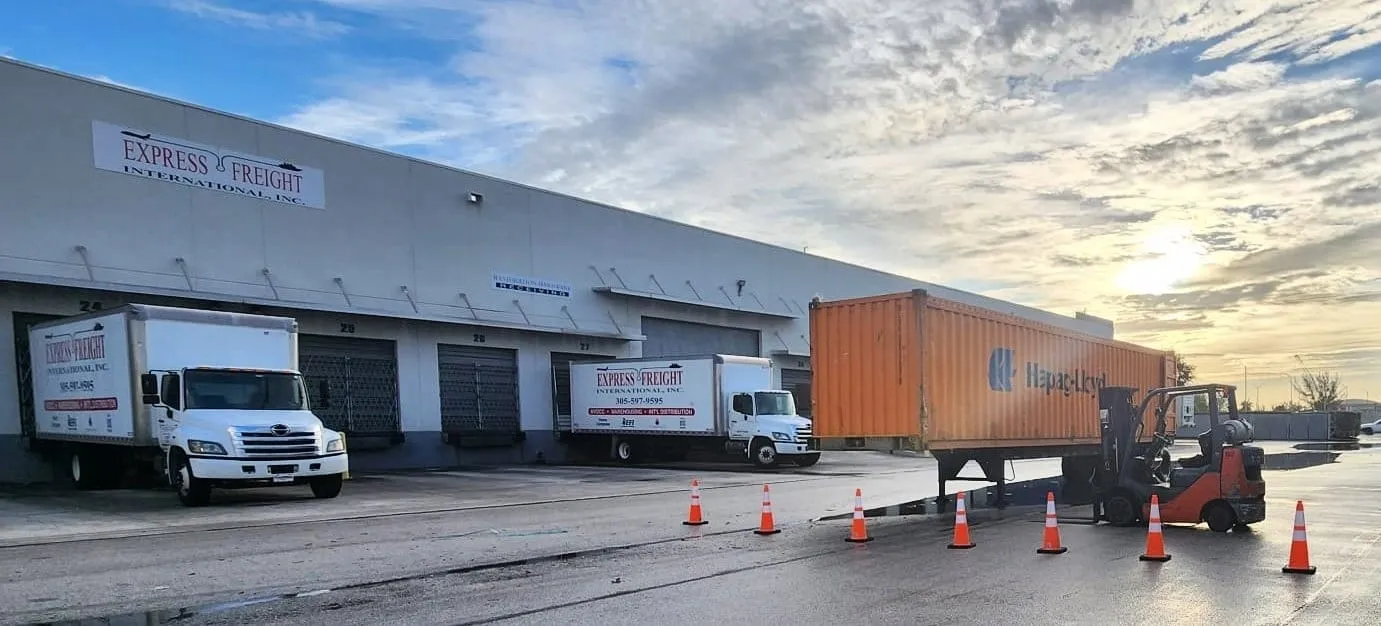
01 · DoorEFI box trucks and a shipping container at the warehouse dock doors

Station 01

Eighteen doors, so nobody queues

Trucks get worked in parallel instead of lining up in the yard. Oversize comes up the double-wide ramp. Anything that will never come off a dock at all comes in at ground level, on its own wheels or under a forklift.

18Doors worked at once

02 · CheckWarehouse floor with pallet racking and a worker moving freight near the receiving door

Station 02

Counted and checked on the apron

Every delivery is counted, weighed and matched against the paperwork before the driver leaves. Marks, piece count, condition. If something is short or damaged, it gets found here, with the person who brought it still standing there.

1 hrTypical offload

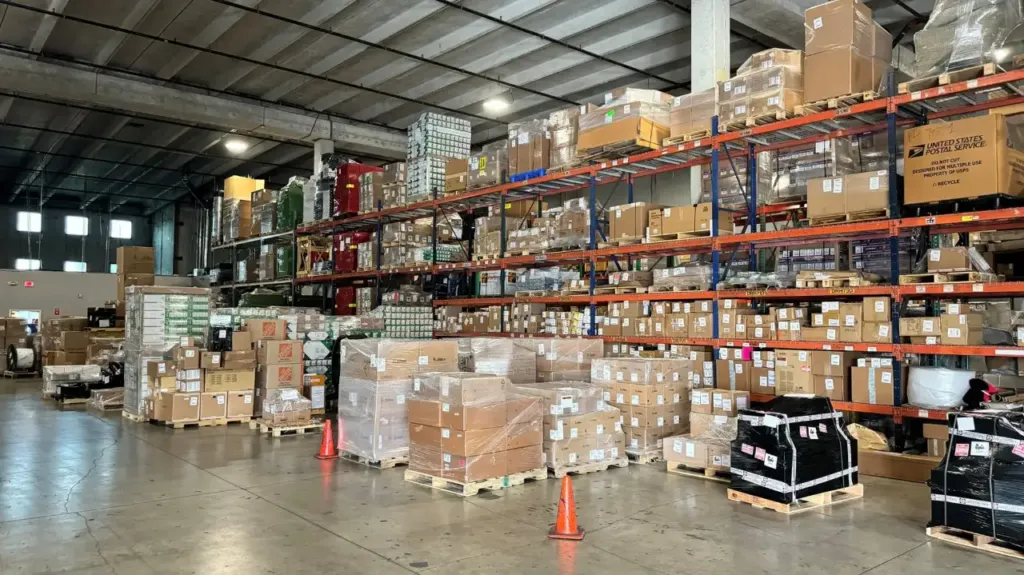
03 · PlacePalletized cargo in racked storage bays inside the Miami warehouse

Station 03

Placed by how soon it leaves

Racked or on the floor, by the pallet or by the position. Cargo waiting on a sailing sits differently from cargo waiting on a document. Tell us which one you've got and it goes where it is easiest to get back out.

50,000Sq ft to place it in

04 · BuildStacked cartons and palletized freight staged for export consolidation

Station 04

Consolidated into somebody's container

Freight from several suppliers, built into one box for one destination. That is what a container freight station is for, and it is why the lanes on this floor are organized by where cargo is going rather than by who sent it.

56Weekly LCL lanes

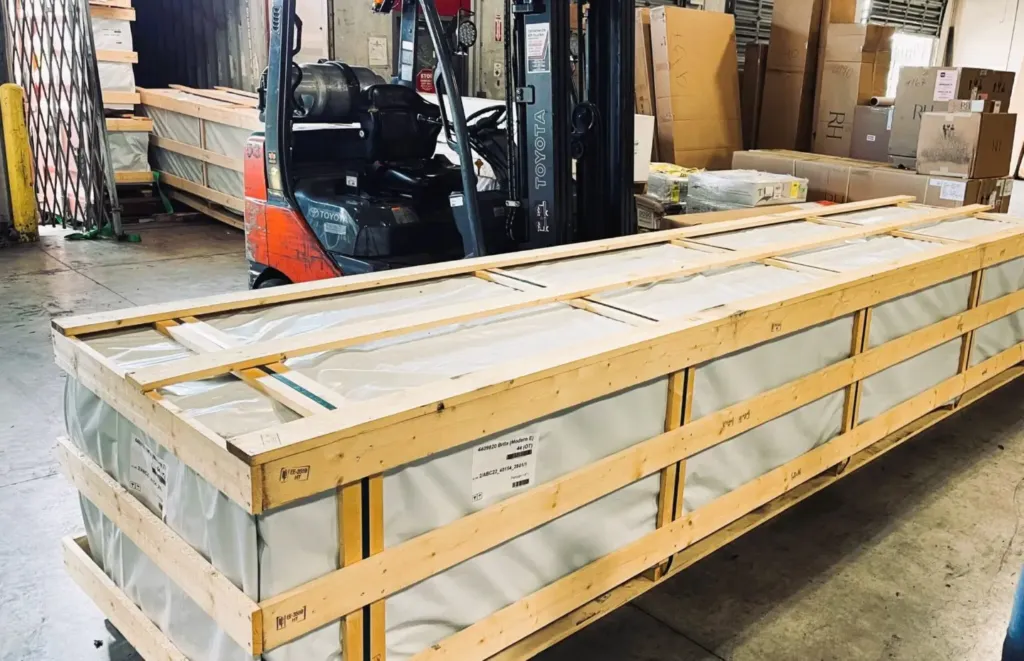
05 · CrateA long timber crate built and braced on the EFI crating bench

Station 05

Repacked and crated on our own bench

The packaging that survived a domestic truck is not always the packaging that survives an ocean container. Crates get built here, open or closed, sized to the piece rather than to a stock box, with the contents secured so nothing moves.

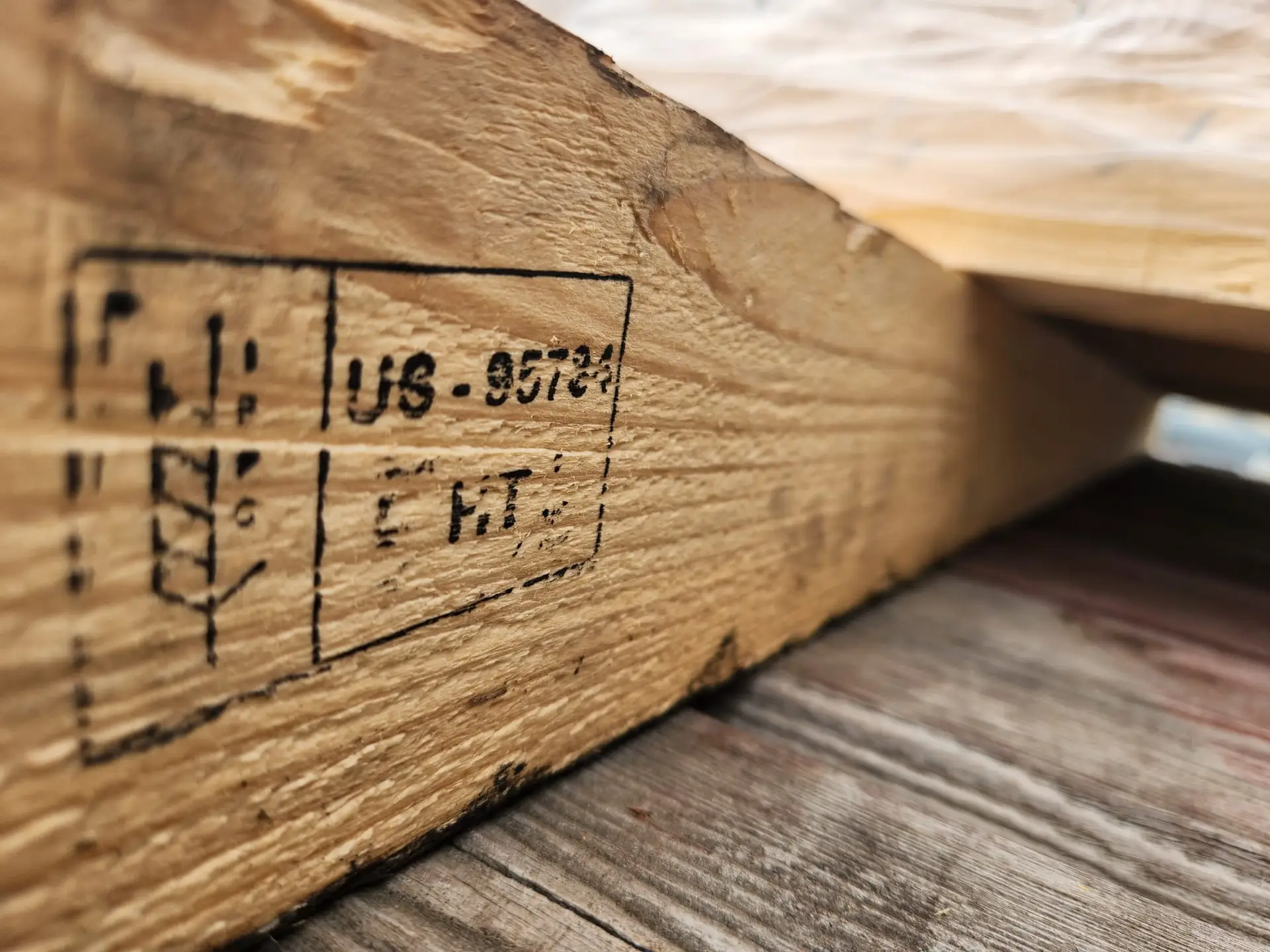
ISPM 15Heat treated and stamped

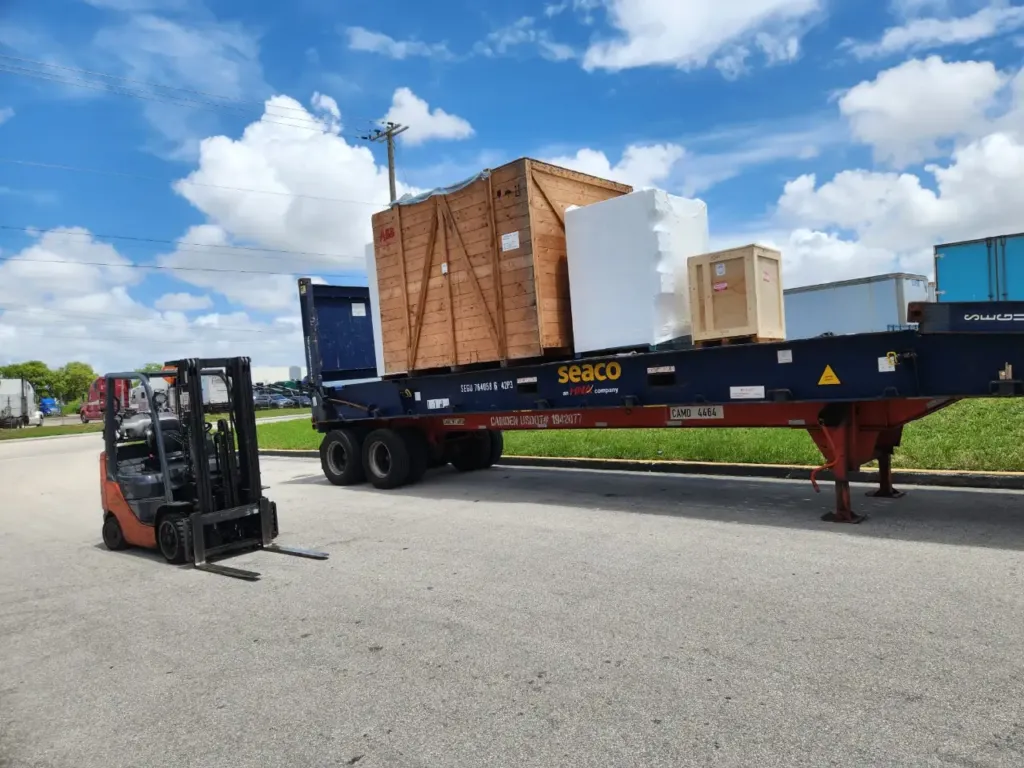
06 · LoadCrated cargo loaded onto a flat rack container by forklift at the Miami facility

Station 06

Loaded, blocked, braced, sealed

Containers load at our dock or at your shipper's door. Loading here means the count and the condition are verified by us before the box is closed. Flat racks and open tops get blocked and braced for the voyage, not for the photograph.

1 hrTypical load

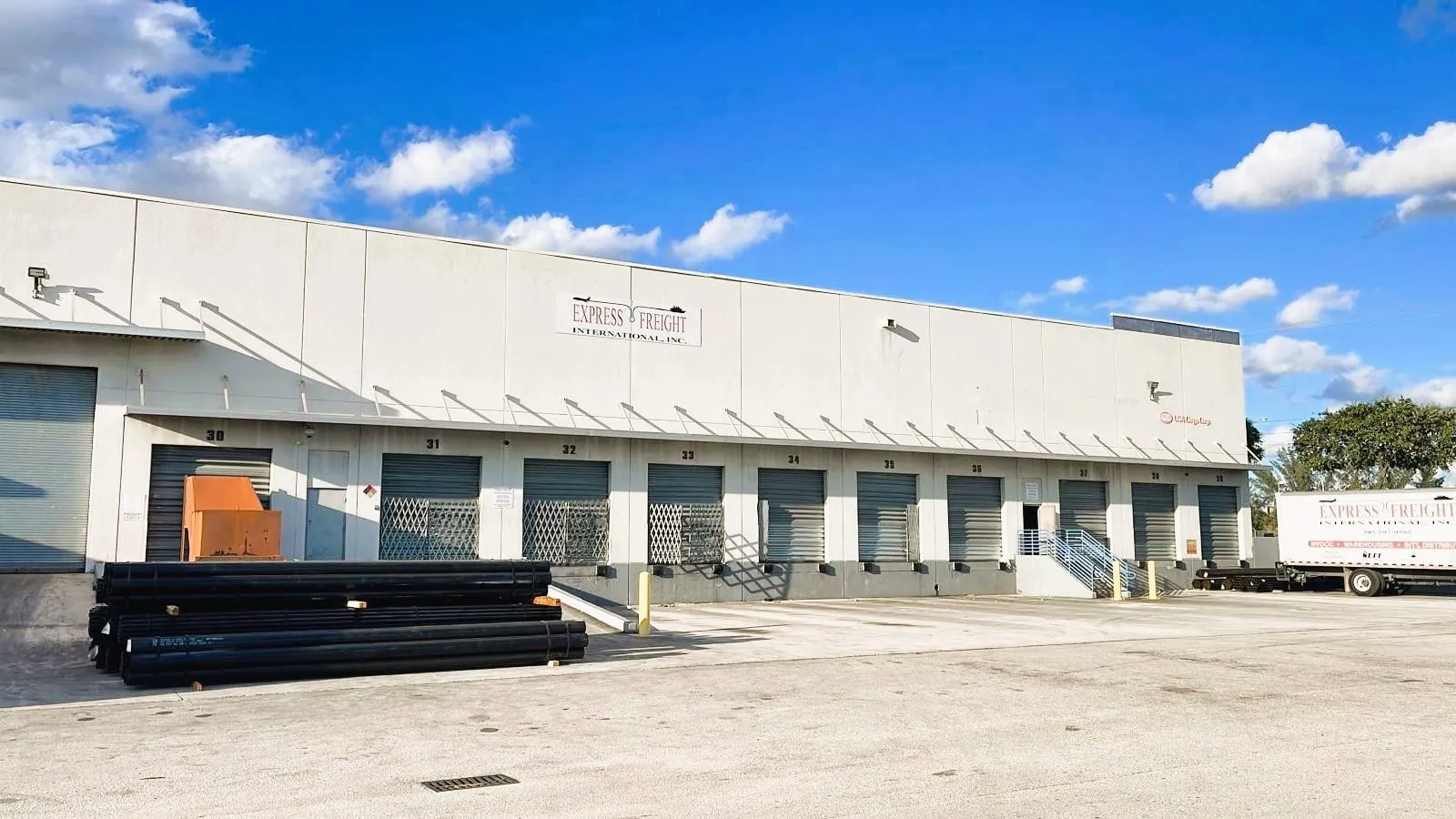
The exterior dock line at the Medley facility with dock doors and containers

Bonded CFS

Cargo that hasn't entered the country yet can still be worked here.

A bonded container freight station is approved by U.S. Customs and Border Protection to receive and handle in-transit cargo: landed in the United States, entry not yet filed, duty not yet paid.

In practice, an in-bond shipment comes off the terminal on our own bonded truck, gets received, checked and deconsolidated on this floor, and sits here while the entry is prepared. Without the bond it would have to be staged at somebody else's facility first. That is one more move, one more bill, and one more day.

Bonded CFS Bonded carrier C‑TPAT FMC licensed OTI Not an FTZ

The facility

What's actually here.

No rounding up and no adjectives. This is the building, the equipment and the hours as they stand today.

Floor area

50,000 sq ft under one roof in Medley, Miami-Dade

Dock doors

18, worked in parallel rather than queued

Ramps

2, one double-wide, for oversize that can't be broken down outside

Ground level

Drive-in receiving for freight that will never come off a dock

Status

Bonded container freight station · C‑TPAT · FMC licensed OTI

Receiving

Monday–Friday, 8:30 AM – 5:00 PM ET, by appointment. Both inbound and outbound.

Cross-dock cutoff

Same day at 2:00 PM · one hour to offload, one hour to load

Dangerous goods

DG-certified staff, recurrently. Classification and segregation checked before the freight arrives.

Crating

Open and closed crates built on site, heat treated and stamped to ISPM 15

Pick and pack

Orders picked from your stored stock and packed to ship, on this floor.

Refrigeration

None on this floor. Reefers are positioned at your supplier and loaded there.

Closed

Federal holidays, except Columbus Day and Veterans Day

Address

7950 NW 77th Street, Unit 1, Miami, FL 33166

Close-up of the IPPC heat treatment mark branded into timber packaging

ISPM 15. The IPPC mark, burned into the wood. Packaging leaving the United States carries it, or the cargo gets turned around at the far end over a pallet.

Say it early

What this floor is not.

Four things people assume about a warehouse that are not true about this one. Better you hear them now than on the day the truck shows up.

No refrigeration

We can't take chilled or frozen

There is no refrigerated space here and nothing arrives to be kept cold. For temperature-controlled exports we position an operating reefer at your supplier, they load it there, and we run the export from that point on.

Not an FTZ

Bonded is not a Foreign Trade Zone

The bond covers in-transit cargo before entry. It does not give you FTZ duty deferral or manufacturing benefits. If your program needs FTZ you need a different building, and we will say so on the first call rather than the last.

No live counts

Receipts online, counts from a person

Your documents and warehouse receipts, with photos, are in the customer portal. For a current count, ask customer service. You get it from somebody who can also tell you what condition it is in and what is blocking it.

Different service

If it never needs storing, don't store it

Freight moving from one truck to the next on the same day is cross-docking, not warehousing. It is cheaper, it is faster, and it is a separate page for a reason.

Questions

Storage, consolidation and the bond.

Anything about a shipment already on the floor is faster by phone. The warehouse and the export desk are in the same building.

How is storage billed?
On what you occupy and for how long, which depends on whether your cargo goes racked or on the floor, whether it stacks, and how often it has to be touched. Send the piece count, dimensions, weight and roughly how long it will sit, and you get a real number instead of a range.
What is a container freight station, and why does it matter?
A CFS is where less-than-container shipments from different shippers get consolidated into one container for export, or deconsolidated on import. It matters because consolidation is where LCL rates come from: you pay for the space you use instead of a whole box. Ours is bonded, so in-transit cargo can be worked here too.
Can you receive from my supplier and hold until I'm ready to ship?
Yes, and it is one of the most common reasons cargo is here. Suppliers deliver against your purchase orders, we receive and check each one, and the shipment goes out when the order is complete or when you say go. Give us the marks and the PO references and you get a clean record of what arrived when.
Do you build crates in-house or send it out?
In-house, on our own bench, open or closed, built to a tight fit around the piece rather than around a stock size. Wood packaging leaving the U.S. is heat treated and stamped to ISPM 15. Call or email with the dimensions and what is inside.
Can you load a full container at my shipper's place instead?
Full containers load either at our dock or at the shipper's door, whichever makes sense for the cargo. Loading at origin saves a handling. Loading here means the count and condition are verified by us before the box is sealed. We will tell you which one we would choose for your commodity.
What is the largest piece you can take?
Bigger than most people assume. There is a double-wide ramp for oversize and ground-level receiving for anything that will not come off a dock at all, so a flatbed of machinery does not have to be broken down outside. Send dimensions and weight before the truck is dispatched and we will confirm it can come in.
Is my cargo insured while it sits here?
Not automatically, and this catches people. Standard transit cover follows the goods warehouse to warehouse and ends at the named destination or at defined time limits after discharge, so storage outside ordinary transit falls outside it. A warehouse’s own liability is a separate thing again, limited by the warehouse receipt. If your freight is going to sit, say so and we will get the storage period covered properly. See cargo insurance.
Can you stage a project across several suppliers?
Yes, and it is a large part of what the building is for. We receive each supplier’s freight as it lands, check it against your packing lists, and release it in the order the site needs. That work is described on the project cargo and distribution page.
EFI trucks and containers at the Medley dock line at the end of the day

Next

Tell us what it is and how long it sits.

Piece count, dimensions, weight, whether it stacks, and roughly how long it will be here. That is enough for a real storage and handling number, and enough for us to tell you if cross-docking would serve you better than storing it.

Warehouse
7950 NW 77th Street, Unit 1Miami, FL 33166
Receiving
Monday–Friday, 8:30 AM – 5:00 PM ETBy appointment
Response
Within 4 business hoursMonday–Friday, 8:30 AM – 5:00 PM ET
Call Customer portal(opens in a new tab) Quote Directions(opens in a new tab)